How Mobile Trading Platforms Are Changing Forex Access
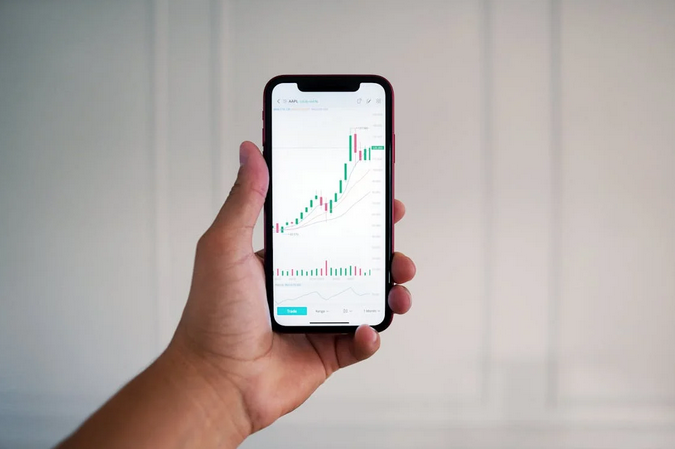
Accessing the Forex market has never been easier, thanks to the rise of mobile trading platforms that put powerful tools directly into the hands of individual investors. These apps allow users to monitor markets, execute trades, and manage portfolios anytime, anywhere, breaking down traditional barriers that once limited trading to professional environments. For those seeking reliable options, 海外fx おすすめ highlight platforms that combine security, user-friendly interfaces, and advanced trading features. By democratizing access and providing real-time data, mobile platforms are reshaping how traders approach the global currency market. This article explores the impact of mobile technology on Forex accessibility and investor empowerment.
Expanding Market Accessibility
Mobile trading platforms have made forex markets more accessible to individual traders worldwide. Previously, trading was often limited to institutional investors or individuals with dedicated trading setups. Mobile applications allow users to execute trades directly from smartphones or tablets, removing the need for stationary equipment or complex setups. This accessibility encourages participation from a wider audience, including novice traders who may have been hesitant to enter the market due to perceived technical barriers.
Providing Real-Time Data and Analytics
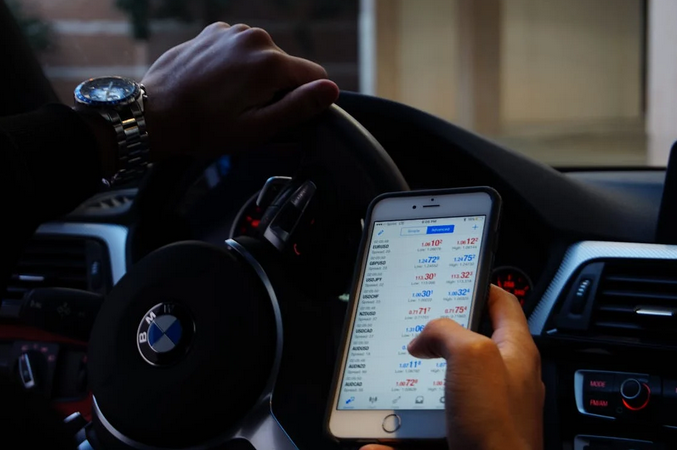
A critical component of successful forex trading is timely and accurate information. Mobile platforms provide real time data on currency pairs, market trends, and economic indicators. Users can monitor price movements, set alerts, and access analytical tools without delay. This immediacy allows traders to respond quickly to market fluctuations and make informed decisions on the go. By delivering the same type of analytics once confined to desktop systems, mobile platforms democratize decision-making and enhance trading responsiveness.
Enhancing User Experience Through Intuitive Interfaces
Mobile trading applications are designed with user experience in mind, offering intuitive navigation, clear dashboards, and simplified trade execution. Complex functions, such as chart analysis, order placement, and portfolio management, are streamlined for mobile use. This design focus reduces the learning curve for new traders and supports efficient use for experienced investors. A well-organized interface encourages consistent engagement and allows traders to manage multiple positions seamlessly from a single device.
Supporting Flexible Trading Schedules
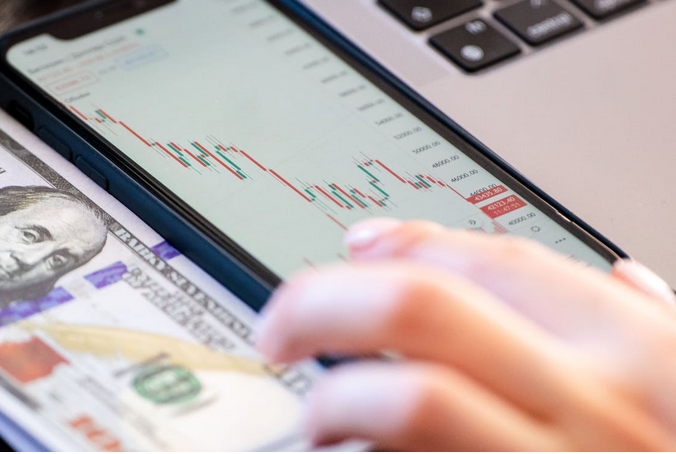
Forex markets operate 24 hours a day, five days a week, which can be challenging for traders with other commitments. Mobile trading platforms provide the flexibility to engage in the market from virtually any location at any time. Whether monitoring trades during a commute, traveling, or managing positions outside traditional work hours, users can maintain active participation. This flexibility enables traders to respond to global events promptly, enhancing opportunities for profit and risk management.
Promoting Risk Management and Control
Many mobile trading applications include integrated risk management features, such as stop loss orders, margin alerts, and portfolio monitoring tools. These functions allow traders to manage exposure and protect capital in volatile markets. By having these controls readily accessible on mobile devices, users can make adjustments quickly and maintain oversight of their positions. The combination of convenience, real-time data, and built-in safeguards empowers traders to exercise greater control over their investment strategies.
Mobile trading platforms have fundamentally changed access to forex markets by expanding participation, providing real-time data, enhancing user experience, supporting flexible schedules, and promoting risk management. By leveraging mobile technology, traders can operate with increased convenience, control, and responsiveness. This shift has democratized forex trading, making it more inclusive while maintaining the sophistication necessary for informed investment decisions.…



 If you’re thinking about investing in cryptocurrencies, it’s essential to do your research first. You should understand how they work and what factors can affect their price. Cryptocurrencies are volatile, so their prices can go up and down very quickly. It would help if you were prepared for this and had a strategy for dealing with it. One important thing to remember is that you should never invest more than you can afford to lose. Cryptocurrencies are a risky investment, so it’s important only to put in as much money as you feel comfortable losing. Once you’ve done your research and decided how much you want to invest, you need to find a place to buy and store your cryptocurrencies.
 The most important thing you can do when learning to trade cryptocurrency is practice different trading strategies. By doing this, you will see which strategies work best for you and which don’t. There are a lot of other resources out there that you can use to help you learn different trading strategies. One of the best ways to learn various trading strategies is to join a cryptocurrency trading group. There are many other groups out there that you can join and they will usually have experienced traders who can help you learn. You can also find many different resources and tutorials online that can teach you different trading strategies.
 If you’re new to the world of cryptocurrency, you may be feeling a bit overwhelmed. That’s perfectly normal! There are so many different coins and tokens to choose from, not to mention all the other exchanges. But don’t worry, we’re here to help. In this guide, we’ll walk you through the basics of cryptocurrency trading. The next thing you need to do is pick a currency to trade. There are dozens of different coins and tokens available, so it’s important to do your research before picking one. Once you’ve chosen a currency, the next step is to find an exchange where you can buy and sell it.