How Mobile Trading Platforms Are Changing Forex Access
0 Comments
mobile forex

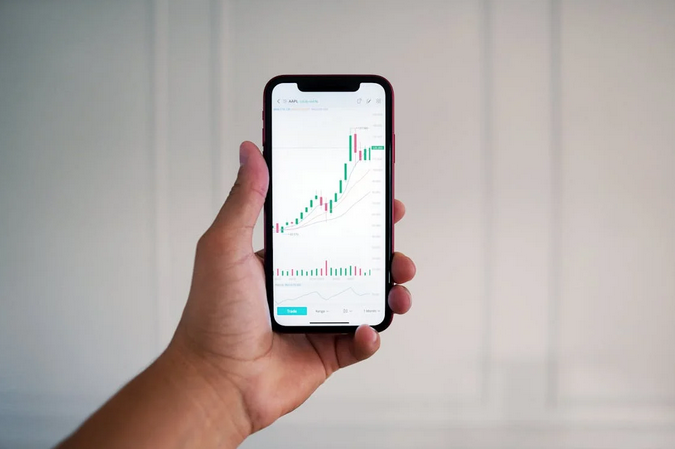
Accessing the Forex market has never been easier, thanks to the rise of mobile trading platforms that put powerful tools directly into the hands of individual investors. These apps allow users to monitor markets, execute trades, and manage portfolios anytime, anywhere, breaking down traditional barriers that once limited trading to professional environments. For those seeking reliable options, 海外fx おすすめ highlight platforms that combine security, user-friendly interfaces, and advanced trading features. By democratizing access and providing real-time data, mobile platforms are reshaping how traders approach the global currency market. This article explores the impact of mobile technology on Forex accessibility and investor empowerment.

Expanding Market Accessibility

Mobile trading platforms have made forex markets more accessible to individual traders worldwide. Previously, trading was often limited to institutional investors or individuals with dedicated trading setups. Mobile applications allow users to execute trades directly from smartphones or tablets, removing the need for stationary equipment or complex setups. This accessibility encourages participation from a wider audience, including novice traders who may have been hesitant to enter the market due to perceived technical barriers.

Providing Real-Time Data and Analytics

real time data

A critical component of successful forex trading is timely and accurate information. Mobile platforms provide real time data on currency pairs, market trends, and economic indicators. Users can monitor price movements, set alerts, and access analytical tools without delay. This immediacy allows traders to respond quickly to market fluctuations and make informed decisions on the go. By delivering the same type of analytics once confined to desktop systems, mobile platforms democratize decision-making and enhance trading responsiveness.

Enhancing User Experience Through Intuitive Interfaces

Mobile trading applications are designed with user experience in mind, offering intuitive navigation, clear dashboards, and simplified trade execution. Complex functions, such as chart analysis, order placement, and portfolio management, are streamlined for mobile use. This design focus reduces the learning curve for new traders and supports efficient use for experienced investors. A well-organized interface encourages consistent engagement and allows traders to manage multiple positions seamlessly from a single device.

Supporting Flexible Trading Schedules

mobile trading

Forex markets operate 24 hours a day, five days a week, which can be challenging for traders with other commitments. Mobile trading platforms provide the flexibility to engage in the market from virtually any location at any time. Whether monitoring trades during a commute, traveling, or managing positions outside traditional work hours, users can maintain active participation. This flexibility enables traders to respond to global events promptly, enhancing opportunities for profit and risk management.

Promoting Risk Management and Control

Many mobile trading applications include integrated risk management features, such as stop loss orders, margin alerts, and portfolio monitoring tools. These functions allow traders to manage exposure and protect capital in volatile markets. By having these controls readily accessible on mobile devices, users can make adjustments quickly and maintain oversight of their positions. The combination of convenience, real-time data, and built-in safeguards empowers traders to exercise greater control over their investment strategies.

Mobile trading platforms have fundamentally changed access to forex markets by expanding participation, providing real-time data, enhancing user experience, supporting flexible schedules, and promoting risk management. By leveraging mobile technology, traders can operate with increased convenience, control, and responsiveness. This shift has democratized forex trading, making it more inclusive while maintaining the sophistication necessary for informed investment decisions.…



The Risks of Trading With Unregulated Forex Brokers

0 Comments
trading

Forex trading attracts people who want accessible opportunities and flexible strategies. The market moves quickly and offers many ways to participate. Yet the broker you choose influences nearly every part of your experience. This matters more than many traders realize. That is because working with an unregulated forex broker exposes you to serious dangers. These brokers operate outside established oversight, leaving you with limited protection. Understanding these risks helps you make decisions that protect your money and long-term goals.

Lack of Financial Oversight

Regulation exists for a reason. It provides clear rules that require brokers to operate with transparency and accountability. Unregulated brokers skip these rules entirely. They hold client funds without monitored safeguards. They also manage trades without internal controls. This creates an environment where errors or questionable actions can occur unnoticed. You cannot confirm how your deposits are stored or used. Without oversight, the broker holds full control, and you face the outcomes alone.

Higher Exposure to Fraud

fraud

Fraud in the forex industry often comes from firms that operate without licenses. These brokers advertise attractive conditions, simple account setups, and fast profits. The offers may look genuine at first glance, but they lack verified backing. When a dispute arises, there is no authority to handle it. You cannot rely on a regulator to review your case. This is where many traders lose significant amounts. Fraudulent practices range from manipulated pricing to sudden withdrawal denials. The absence of rules gives unethical brokers space to act freely.

Unfair Trading Conditions

Trading conditions should be clear, stable, and compliant with established market standards. Unregulated brokers often present conditions that appear unique but hide major disadvantages. They might widen spreads without warning. They may change margin requirements during volatile periods. They may introduce delays that affect your execution. These actions can alter results in ways you cannot predict. Without regulation, the broker has no obligation to treat you fairly. This lack of structure creates a trading environment where unfavorable conditions become normal.

No Protection for Client Funds

A regulated broker must separate company funds from client deposits. This requirement protects you if the company faces financial trouble. Unregulated brokers do not follow this rule. They can mix money freely or use it for internal purposes. If the company collapses, everything disappears together. You have no guarantee that your balance exists in a secure account. You cannot ensure the safety of withdrawals. The risk of losing your money increases because basic financial protections are missing.

Limited Dispute Resolution

Disputes happen in trading. Errors occur. System failures sometimes interrupt transactions. Regulated brokers must answer to authorities when customers file complaints. Unregulated brokers ignore these processes entirely. If something goes wrong, you have no independent group to support you. The company controls every stage of the conversation. Many traders find themselves trapped in unresolved disputes with no path forward. The process becomes stressful and long. Your chances of recovering losses drop to the utmost minimum when no regulator stands behind you.

Unknown Operational Stability

A broker’s operational stability matters for long-term trading. Regulated firms must submit financial reports and prove that they can meet obligations. Unregulated brokers avoid such tests. You do not know their capital strength or company structure. They may shut down without warning. They may experience failures that disrupt trading activities. They may even change ownership quietly, affecting your account access. Because none of these details are monitored, you face uncertainty with every transaction.

Weak Security Measures

Cybersecurity is an essential part of trading online. Regulated brokers follow strict digital protection standards to reduce risks. Unregulated brokers do not always apply these measures. They may use outdated systems or insecure servers. This raises the danger of breaches that expose personal information or account credentials. Your financial data becomes vulnerable. Secure environments matter for every trader, but especially for those who operate frequently. Without strong systems in place, you trade under ongoing risk.…


The Medicare Mistakes That Catch People Off Guard

0 Comments
medicare plan

Medicare isn’t exactly beginner-friendly. Between all the parts, plans, and deadlines, it’s easy to make a choice that seems fine at the moment, but comes back to haunt your wallet later. That’s why understanding the costs of medicare early is such a smart move.

As a matter of fact, some of the most common mistakes happen before people even realize there’s a better option. Whether you’re new to Medicare or helping someone else figure it out, these pitfalls are worth avoiding.

Missing Enrollment Windows

You’d think Medicare would just kick in automatically with a big shiny bow. Not quite. If you miss your initial enrollment period, you could face penalties that stick around for life. Yes, lifetime penalties for being a few months late.

It’s not just about deadlines either. If you’re still working and have employer coverage, your timing matters even more. People often assume they can wait, but that can backfire depending on how their current coverage stacks up against Medicare’s rules.

Choosing a Plan Without Checking Drug Coverage

A plan might sound great on paper. We’re talking about low premium, decent reviews, the whole package. But then you go to fill a prescription and get hit with a jaw-dropping out-of-pocket price. That’s why it’s crucial to double-check drug coverage. Medicare Part D plans vary wildly. One might cover your meds. Another might skip them altogether or throw them into a higher pricing tier.

Thinking That Medicare Pays for Everything

A lot of folks sign up thinking Medicare has their back on every medical bill. But here’s the thing: Original Medicare doesn’t include coverage for dental, hearing aids, or routine vision care. And long-term care? You’re mostly on your own there. Skipping supplemental coverage can leave you exposed to large out-of-pocket expenses. Don’t fall into that trap just because you want to keep things simple.

coverage

Ignoring Medicare Advantage Details

Medicare Advantage plans often promote extra perks, like fitness programs and dental cleanings. Sounds good, right? But some folks jump in without realizing those plans can limit your provider network. Suddenly, your favorite doctor isn’t in-network. Or you need a referral for everything. These aren’t deal-breakers for everyone, but you’ll want to read the fine print before locking yourself in.

Assuming Spouses Are Automatically Covered

Here’s a sneaky one: just because you sign up for Medicare doesn’t mean your spouse gets coverage too. Medicare is individual, not family-based. If your spouse is younger and not eligible yet, you’ll need to explore separate insurance options for them. It catches people by surprise more often than you’d expect, especially those coming off employer group plans.

Not Asking for Help

Plenty of people think they have to figure everything out solo. But there are people whose job it is to guide you, simplify decisions, and help compare plans without all the jargon. You don’t have to make costly guesses. Ask questions and get support from someone who knows how to make sense of it.

Medicare isn’t impossible, but it does require paying attention. By sidestepping these common mistakes, and getting a grip on the costs of Medicare early on, you’ll save yourself money, stress, and maybe even a few headaches. A little effort upfront goes a long way.…


Solving Common Challenges in Dental Billing: Expert Advice for a Smooth Financial Workflow

0 Comments

Are you tired of navigating the complex world of dental billing? Frustrated with endless paperwork and insurance claims that seem to go nowhere? You’re not alone. Many dental practices need help managing their financial workflow, but fear not! In this blog post, we’ll provide expert advice on how to solve these challenges, which includes finding the best dental billing company to help create a smooth billing process for your practice. We’ve got you covered from implementing a clear billing system to staying updated with coding changes. Say goodbye to billing headaches and hello to financial success in your dental practice.

Implement a Clear Billing System

In dental billing, a clear and efficient system is crucial for maintaining a smooth financial workflow. Without it, you could find yourself drowning in paperwork and struggling to keep track of payments. So, how can you implement a clear billing system streamlining your processes? Consider utilizing practice management software specifically designed for dental practices. This powerful tool can help automate tasks like generating invoices, tracking payments, and managing patient information all in one place. It’s also important to establish standardized procedures for your team to follow regarding billing.

Verify Insurance Coverage

One of the key challenges in dental billing is ensuring that insurance coverage is verified accurately. This step is crucial to avoid any surprises or disputes with insurance companies down the line. So, how can you go about verifying insurance coverage effectively? Gathering all necessary information from your patients regarding their insurance provider and policy details is essential.

This includes obtaining a copy of their insurance card and keeping accurate coverage records. Next, take advantage of today’s technology tools that enable real-time verification of patient eligibility and benefits. These systems allow you to quickly check if a patient’s treatment will be covered and what portion might be the patient’s responsibility.

Stay Updated With Billing Codes

Staying updated with billing codes is crucial for a smooth dental billing workflow. The world of medical coding and insurance can be complex and ever-changing, so it’s essential to keep yourself informed and knowledgeable. One way to stay updated is by regularly attending workshops or webinars on dental billing codes. These educational events can provide valuable insights into the latest updates in coding guidelines, documentation requirements, and reimbursement policies.

They also offer an opportunity to network with other professionals in the field, allowing you to exchange ideas and learn from each other’s experiences. Another helpful resource for staying up-to-date with billing codes is professional associations or organizations dedicated to dental billing. These groups often publish newsletters or journals that contain relevant information about changes in coding regulations, new procedures, and best practices for successful claims submission.

Document All the Charting Details

Documentation and charting play a crucial role in the dental billing process. Accurate and detailed records are essential for proper coding, claim submission, and reimbursement. Without proper documentation, claims are more likely to be denied or delayed. When documenting patient visits, it’s important to be thorough. Include relevant clinical findings, treatment plans, procedures performed, medications prescribed, and any other pertinent information. This helps paint a complete picture of the patient’s oral health status and ensures that all services provided are appropriately billed.

Solving common challenges in dental billing requires attention to detail and diligent management of administrative tasks within your practice. By implementing these expert tips – establishing a clear billing system, verifying insurance coverage, staying updated with coding systems, and practicing thorough documentation and charting – you can confidently navigate the complexities of dental billing and improve your practice’s financial health. Remember to regularly review and analyze your billing processes to identify any areas for improvement and make adjustments as needed.…


Tips to Consider When Taking Out Loans

0 Comments
loans

Loans can be a valuable financial tool, providing individuals and enterprises with the necessary funds to achieve their goals. However, it’s crucial to approach borrowing responsibly and make informed decisions to avoid unnecessary financial stress, whether with mobile loans or online payday loans California. Below are several essential tips to consider when taking out loans, helping you navigate the borrowing process wisely.

Assess Your Needs

needs

Before applying for a loan, take the time to assess your fiscal needs thoroughly. Determine how much money you require and why you need it. Whether it’s for a major purchase, debt consolidation, or business expansion, understanding your objectives will guide you in choosing the right loan type and amount.

Understand Different Loan Types

There are various loan options available, each with its terms, interest rates, and repayment plans. Research and understand the different types of loans, such as personal loans, business loans, mortgages, or student loans. Familiarize yourself with the requirements and conditions associated with each loan type to select the most suitable one for your needs.

Shop Around for the Best Rates

Take the time to compare rates from different lenders or financial institutions. Look for competitive interest rates and favorable loan terms. Online comparison tools and financial websites can assist you in finding the best rates available.

Review the Repayment Terms

Consider factors such as the repayment period, monthly installments, and any penalties or fees associated with late payments or early repayment. Ensure that the repayment terms align with your financial capacity and goals to avoid unnecessary financial strain or penalties in the future.

Understand the Total Cost of Borrowing

While interest rates are an essential consideration, it’s crucial to take into account the total cost of borrowing. Some loans may have additional fees. Calculate the overall cost of the loan, including these fees, to determine the true affordability and compare different loan options effectively.

Read the Fine Print

Before signing any loan agreement, carefully read and understand all terms and conditions. Pay close attention to details such as prepayment penalties, variable interest rates, or any hidden fees. If you have any questions or concerns, do not hesitate to seek clarification from the lender. It’s essential to be fully informed and aware of all aspects of the loan before committing to it.

Borrow Responsibly

borrow

Lastly, remember that borrowing money should be done responsibly. Only take out loans when necessary and within your means to repay. Assess your ability to sort the monthly payments comfortably while still meeting your other financial obligations. Avoid unnecessary debt and prioritize long-term financial stability.

Taking out a loan is a significant financial decision that requires careful consideration. Remember, responsible borrowing helps you achieve your objectives without compromising your long-term financial well-being.…


Maximizing Profits: How to Save on Holding Costs by Selling at the Right Time

0 Comments
house

When selling a property, especially when selling a house with fire damage, timing plays a crucial role in maximizing profits. Holding costs, such as mortgage payments, property taxes, insurance, and maintenance expenses, can significantly eat into potential earnings if the property remains unsold for an extended period. Selling at the right time can help minimize these holding costs and increase profitability. In this article, we will discuss four key factors highlighting the importance of selling at the right time to save on holding costs and maximize profits. You can read more to gain insights on navigating the unique challenges and considerations associated with such a property sale.

Market Conditions

seller

The real estate market experiences fluctuations throughout the year, with periods of high demand and low supply. Monitoring market conditions is crucial in determining the opportune time to sell. When there is a shortage of available properties and a surge in buyer demand, sellers have an advantage and can command higher prices. By identifying peak seasons or periods of increased market activity, sellers can strategically list their properties, minimizing the time the property spends on the market and reducing holding costs.

Local Economic Factors

Understanding the local economic factors that influence the real estate market is essential in determining the right time to sell. Factors such as employment rates, population growth, and infrastructure development can significantly impact property values. Sellers should be aware of any upcoming changes or developments in their area that could positively impact property prices.

Seasonal Considerations

Seasonality also plays a role in determining the right time to sell. Certain seasons may be more favorable for selling specific types of properties. For example, spring is often considered a prime time for listing homes, as buyers tend to be more active during this period. Additionally, factors such as school schedules or local events may influence buyer activity in specific seasons.

Property-Specific Factors

prop

Property-specific factors, such as its condition and location, can also impact the ideal timing for selling. It is essential to assess the property thoroughly and consider any necessary repairs or renovations. By addressing these issues before listing the property, sellers can increase its appeal and potentially command a higher selling price. Additionally, understanding the local market demand for specific property types or features can help sellers identify the optimal time to sell when buyers are actively seeking properties like theirs.

Selling at the right time is crucial in minimizing holding costs and maximizing profits. Keeping an eye on market conditions, local economic factors, seasonal considerations, and property-specific factors allows sellers to time their property listings strategically.…


How to Finance Your Start-Up Business

0 Comments
list

Are you an entrepreneur looking to launch a start-up business? Financing your start-up can be one of the biggest roadblocks in getting your vision off the ground. While some entrepreneurs have access to their own capital or family investments, many may need outside sources of funds when starting out. This post explores various financing options for entrepreneurs looking to finance their first venture.

Get a Business Loan

One way to finance your start-up is to get a business loan. There are now private loan for business that you can apply for. If you have a good credit score and solid financials, you can qualify for some of the more traditional financing options, such as bank loans or SBA-backed loans. These will generally require collateral but can offer lower interest rates.

Additionally, many online lenders specialize in start-up financing and may not require collateral. Take your time on researching these options, as the interest rates can vary significantly. Avoid opting for the first option that you come across, as there could be better ones out there. This is one of the most common mistakes entrepreneurs make when accessing a loan.

capital

Raise Venture Capital

Another way to finance your start-up is to raise venture capital. This requires a more in-depth knowledge of the business and financial strategies, but it can be an effective way to gain access to significant funds for your business. When raising venture capital, you will need a well-thought-out presentation that outlines the potential of your idea and how it could generate a return for investors. This requires extensive research and networking, but it can be a viable option for those who can pitch their idea effectively. This can take time and may involve several fundraising rounds for you to reach your goal.

Crowdfund Your Idea

Finally, crowdfunding is another option entrepreneurs can use to finance their start-ups. There are now online platforms specifically designed to cater to crowdfunding campaigns. This allows entrepreneurs to post their idea and receive small investments from a large network of potential investors. This is a great option for those who have an idea that resonates with the public and can connect personally with potential backers. Additionally, there may be more opportunities for capital from crowdfunding campaigns than traditional venture capital sources. In fact, crowdfunding has become one of the most popular methods for entrepreneurs looking to launch a start-up.

Several financing options are available to entrepreneurs looking to launch their first venture. From getting a business loan to raising venture capital or even crowdfunding your idea, there are multiple ways to gain the necessary funding for your venture. Taking the time to research and understand these options can help you make an informed decision about financing your start-up. Do you have any tips or advice on financing a start-up? Please share them with us in the comments below.…


A Beginner’s Guide to Cryptocurrency Trading

0 Comments
trading

Cryptocurrencies are currently quite well-liked. If you’re not familiar, they are digital or virtual tokens that control the generation of new units and use encryption to secure their transactions. The first cryptocurrency, Bitcoin, was released in 2009; since then, several more have appeared. Due to their decentralized nature, cryptocurrencies are uncontrollable by either a government or a financial institution. This makes them an attractive investment for many people. The yuan pay group is a good place to start when it comes to trading cryptocurrencies.

Do Your Research

platformIf you’re thinking about investing in cryptocurrencies, it’s essential to do your research first. You should understand how they work and what factors can affect their price. Cryptocurrencies are volatile, so their prices can go up and down very quickly. It would help if you were prepared for this and had a strategy for dealing with it. One important thing to remember is that you should never invest more than you can afford to lose. Cryptocurrencies are a risky investment, so it’s important only to put in as much money as you feel comfortable losing. Once you’ve done your research and decided how much you want to invest, you need to find a place to buy and store your cryptocurrencies.

Practice Different Trading Strategies

trasnactionThe most important thing you can do when learning to trade cryptocurrency is practice different trading strategies. By doing this, you will see which strategies work best for you and which don’t. There are a lot of other resources out there that you can use to help you learn different trading strategies. One of the best ways to learn various trading strategies is to join a cryptocurrency trading group. There are many other groups out there that you can join and they will usually have experienced traders who can help you learn. You can also find many different resources and tutorials online that can teach you different trading strategies.

Pick a Cryptocurrency and Start Trading

investIf you’re new to the world of cryptocurrency, you may be feeling a bit overwhelmed. That’s perfectly normal! There are so many different coins and tokens to choose from, not to mention all the other exchanges. But don’t worry, we’re here to help. In this guide, we’ll walk you through the basics of cryptocurrency trading. The next thing you need to do is pick a currency to trade. There are dozens of different coins and tokens available, so it’s important to do your research before picking one. Once you’ve chosen a currency, the next step is to find an exchange where you can buy and sell it.

Diversify Your Investments

The most important rule in investing is never to put all your eggs in one basket. The same applies to cryptocurrency trading. By diversifying your investments, you minimize the risk of losing everything if the market turns for the worse. There are many different ways to diversify your crypto portfolio. One way is to invest in multiple currencies. If one currency loses value, your other investments may offset the loss.

Cryptocurrencies are a new and exciting investment opportunity. However, they are also very risky, so it is important to do your research before investing. Ensure you understand how they work and the factors that affect their price. Practice different trading strategies until you find ones that work best for you.…


Healthy Financial Habits Worth Practicing for a Better Future

0 Comments
budgeting

It’s no secret that most of us could use a better financial future. Unfortunately, many of us don’t take the steps needed to achieve this goal. We continue making the same mistakes repeatedly without realizing that minor changes can make a big difference down the road.

If you’re looking for ways to improve your financial health, start by practicing healthy habits. This blog post will discuss seven healthy financial habits worth practicing for a better future.

Create a Budget and Follow It

One of the best things you can do for your finances is to create a budget and ensure you stick to it. It may seem an obvious suggestion, but you’d be surprised how many people do not have a budget. It isn’t easy to make informed financial decisions if you don’t know where your money is going each month. Creating a budget allows you to see exactly where your money is going and adjust accordingly.

Live Below Your Means

basic needsOne of the biggest financial mistakes you can make is living beyond your means. Just because you can afford to make a particular purchase doesn’t mean you should. If you want to get ahead financially, living below your means is essential and saving as much money as possible. This may mean making some sacrifices in the short term, but it will pay off in the long run.


Invest in Yourself

One of the best investments you can make is in yourself. This includes things like getting a higher education, learning new skills, or taking care of your health. By investing in yourself, you’re increasing your chances of achieving financial success. Not to mention, you’ll also be improving your quality of life in the process!

Avoid Debt

Another important habit to practice is avoiding debt. It doesn’t mean you should never use credit, but you should only do so when it is necessary. If you can’t afford to pay cash for something, you probably can’t afford it. It’s also important to avoid taking on more debt than you can handle.

Build an Emergency Fund

One of the best ways to prepare for unexpected expenses is to build an emergency fund. This way, if you ever find yourself in a financial bind, you’ll have some money set aside to help you out. Ideally, your emergency fund should be able to cover at least three months of living expenses.…


Easy Tips to Save Up for a Jazz Concert Ticket

0 Comments
jazz concert

Are you a fan of jazz music? Have you dreamed of attending a spectacular concert like The Quintet at Massey Hall in 2012?  If so, you’ll want to check out the upcoming jazz concert in your town. But, tickets tend to sell out quickly, so it’s essential to start saving up now. This blog post will provide some easy tips that will help you save up for that concert ticket. Follow these tips, and you’ll be able to attend the show without breaking the bank.

Cut Back on Unnecessary Expenses

savingOne of the best ways to save up for something is to cut back on unnecessary expenses. Take a look at your monthly budget and see where you can make cuts.

Maybe you can cancel your cable subscription or reduce your grocery spending. There are many small changes that you can make to free up some extra money. Another option is to create a budget and stick to it. It’s easier to avoid overspending when you have a plan in place.

Sell Some of Your Belongings That You Don’t Need Anymore

Another great way to save up for something is to sell some of your belongings that you don’t need anymore. Have a garage sale or post items on eBay or Craigslist. You can make a few extra bucks this way and put it towards your concert ticket fund. Jazz concert tickets can be expensive, so you’d better try selling your unwanted items. Make sure to know the market value of each item you want to sell on eBay or any other marketplaces.

Set Aside Some Money Each Day Into a Savings Account

Another option is to set aside some money each day into a savings account. It will add up over time, and you’ll be able to use the funds for your concert ticket. If you’re not sure how to start, ask your bank about setting up a savings account. Many banks offer this service for free, and it’s an easy way to save up for something special, like a jazz concert.

Put Any Extra Money From Doing Odd Jobs Into Your Savings

jobIf you’re looking for a way to save up quickly, consider doing odd jobs. Offer your services to friends and family or post an ad online. You can make some extra cash this way and put it towards your concert ticket fund. Just be sure to keep track of how much money you earn from each job so that you don’t overspend.


Saving up for a concert ticket can be a challenge. Still, it’s doable if you’re willing to make some sacrifices. Follow these tips, and you’ll be able to attend the show without breaking the bank. And, who knows, maybe you’ll even be able to save up for front row seats.…


The Importance of Budgeting

0 Comments
budgeting

When managing your finance, one of the most important things that you should do is budgeting. In this article, we will be talking about several different reasons why budgeting is important and why you need a budget.

Keeps Your Eyes on the Prize

walletOne of the reasons why you need to do your budgeting is so that you have a clear and precise path to attaining what you want in life. When you are budgeting, you figure out several things that you need to save up for in the future. By doing that, you will no longer walk aimlessly in this life and spend money in places where you don’t need to spend.

When you don’t have a budget, you will be throwing away your money on shiny, fancy things, and things that you don’t need. By making a budget, you set yourself a plan for getting a new house, saving for a car, or even for starting your own business. It will be easier for you o have a clear idea of how much you need to save money so that you can achieve your financial goals in life.

Sheds Light on Expenses

Making a budget lessens the possibilities of you burying yourself in a tall pile of debt. In this day and age, people tend to spend money that they do not have the means of paying them back. Thanks to the little plastic sheets we call credit cards, people who do not budget and record their expenses spend more than they can chew.

By doing this little thing that we call budgeting, you will be able to know how much money you are earning, how much money you are able to spend, and how much money you will be needing to save. Budgeting also helps you detect your bad spending habits since you have recorded them. By knowing all this information, you can help yourself to spend on what you need.

Take Control

budgetingWhen money problems can be detected and reduced through budgeting, you will have more control over it and your life. The sleepless nights that are spent wide awake thinking about all the problems you have when it comes to money will be hugely reduced by making your self a budget. You will be able to take control of financial situations in your life because you have the knowledge regarding your finances.

Your Safeguard

Budgeting is also very helpful since it can help you in emergencies. When doing budgeting, you will save some money for emergency funds and investments. Therefore, you will be well-prepared for emergencies regarding money matters.…